Full home restoration
Cleanup is step one. Home again is the finish line.
After the water is out, the soot is gone or the mold is removed, there are usually open walls, missing floors and a kitchen or bathroom that needs to be rebuilt. Keystone Reconstruction puts it back together, so you're not hunting for another contractor in the middle of an insurance claim.
Before & after
From damaged to done
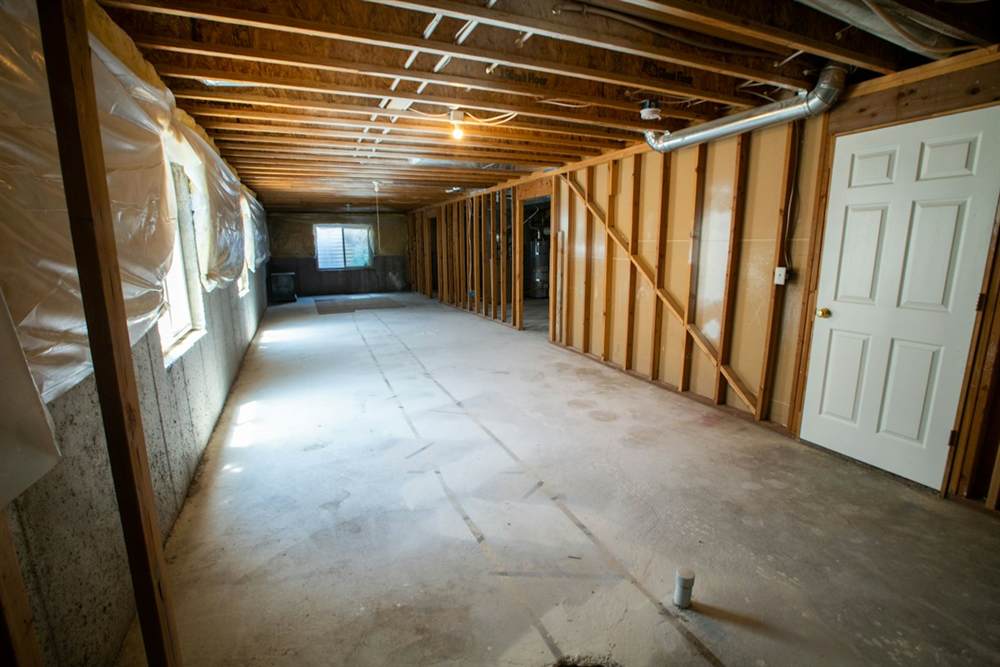
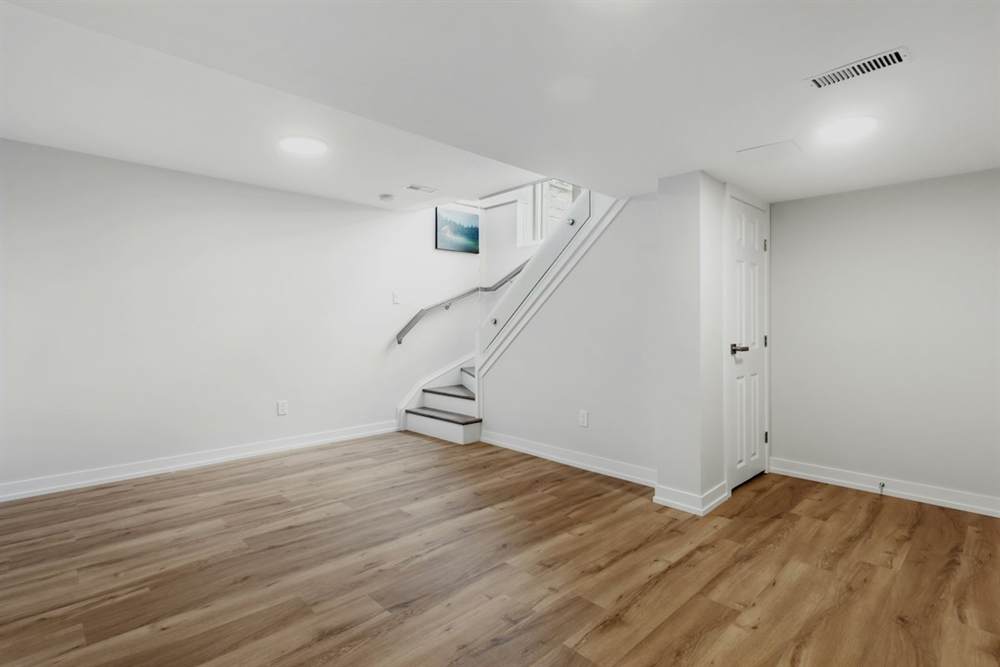
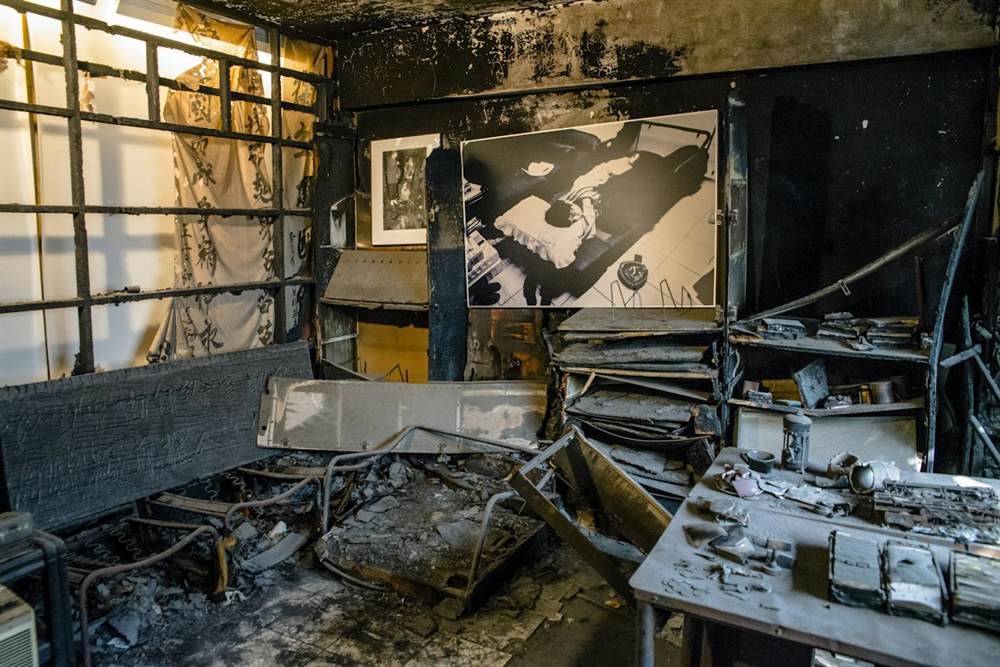
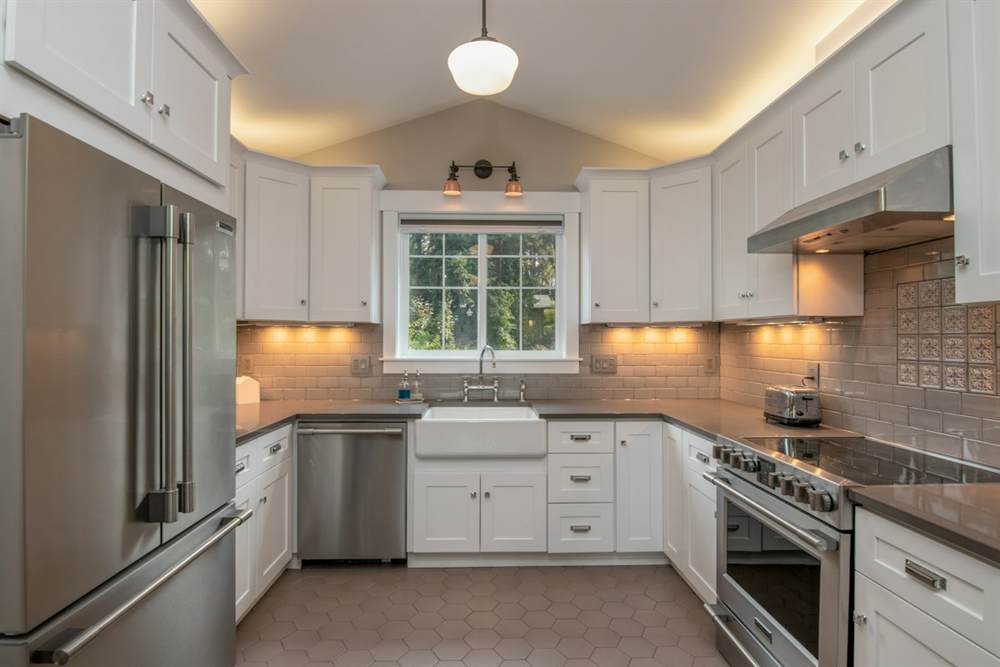
Drag the slider to see the difference a full restoration makes.
Why one team helps
Mitigation and rebuild, without the handoff
Every damage job comes in two halves. Mitigation is the emergency part: water extraction and drying, soot cleanup, mold removal, tearing out what can't be saved. Reconstruction is everything after: making the home whole again.
When two different companies handle those halves, homeowners end up in the middle, comparing two scopes, chasing two schedules and explaining the same damage to the adjuster twice. When the team that tore it out also puts it back, they already know exactly what was removed, and the photos and records from the cleanup carry straight into the repair estimate.
What we rebuild
Restoration after water, fire & mold
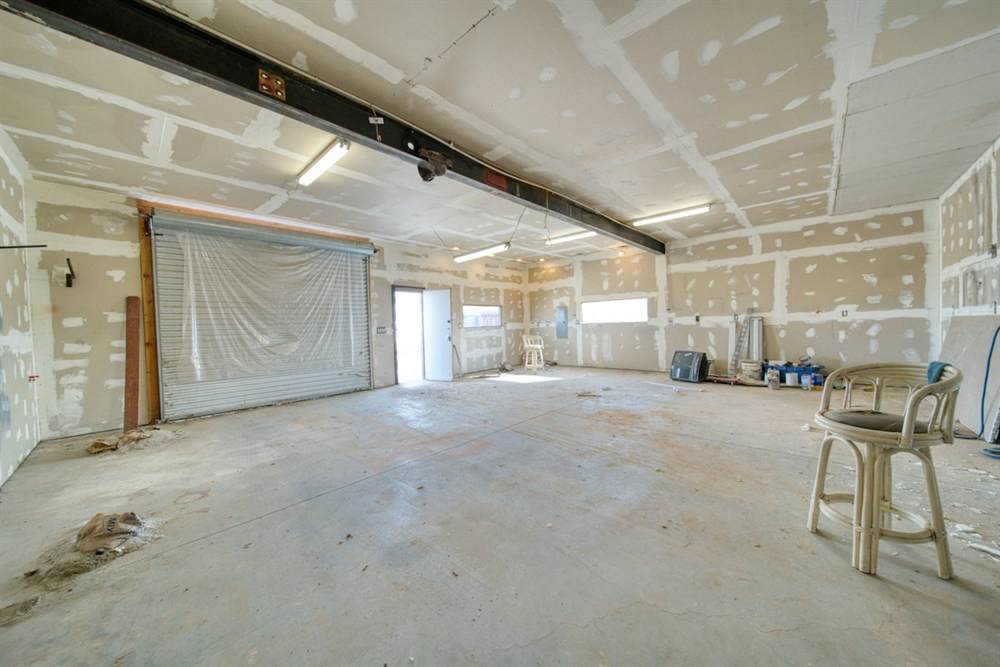
- Drywall and plaster: patched, replaced, taped and finished to match
- Insulation in walls, ceilings and attics
- Flooring: carpet, vinyl plank, laminate, tile and hardwood
- Subfloor and framing repair
- Kitchens: cabinets, countertops and finishes
- Bathrooms: vanities, tile and fixtures
- Ceilings after leaks or fire from above
- Baseboard, trim and doors
- Painting and odor-sealing primers after smoke
- Finished basements rebuilt after a flood
How the rebuild works
1. A written scope and estimate
The estimate lists each repair, room by room, with quantities. We write it in Xactimate, the estimating platform most insurance companies use, so your adjuster can review it line by line in the same format.
2. Agreement with you and your insurer
We work out the scope with your adjuster so you know exactly what's being repaired before work starts. On covered claims we bill your insurance directly, and you'll know up front if any upgrades you choose are extra. Nothing begins without your signature on the scope.
3. Materials and matching
Matching existing flooring, trim and wall textures is the hard part, especially in older central PA homes with plaster walls and original woodwork. Ask how a floor that runs through several rooms will be handled when only one room was damaged.
4. Final walkthrough
You walk the finished space and sign off when you're satisfied. Keep the final invoice and photos with your claim records.
Check before you hire
In Pennsylvania, contractors who do home improvement work generally must register with the Attorney General's office under the Home Improvement Consumer Protection Act. You can look up any contractor's registration on the Attorney General's website. Ask for it, along with proof of liability insurance, before work starts.